
Sewage Treatment Plant - STP Plant
Engineered STP systems for domestic sewage treatment, reuse, discharge compliance and long-term maintainable operation.
Request a quote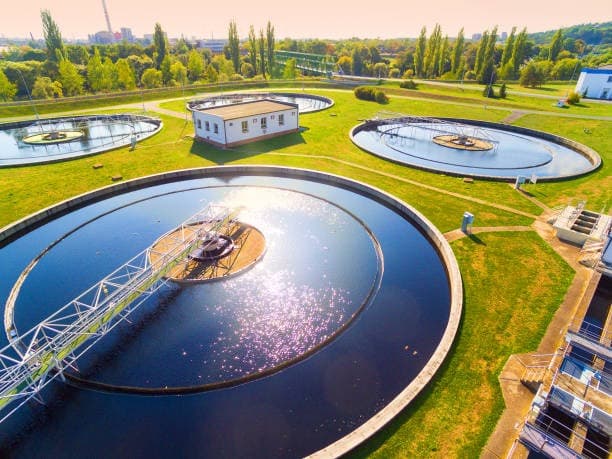
Overview
What is a Sewage Treatment Plant?
A Sewage Treatment Plant, commonly called an STP, is a treatment system used to collect and treat domestic sewage generated from toilets, bathrooms, kitchens, washing areas and other sanitary wastewater sources. Terraquaer Venture Pvt. Ltd. designs and supplies STP systems for residential, commercial, institutional, industrial township, hotel, hospital, resort and municipal applications across Ahmedabad, Gujarat and pan-India locations.
Why is an STP Required?
An STP is required to treat domestic wastewater before reuse or discharge. Untreated sewage can create odor, health risk, groundwater pollution, drain choking and non-compliance with statutory requirements. A properly designed STP reduces BOD, COD, TSS and pathogenic load, manages sludge generation and allows treated water reuse for flushing, gardening or other approved non-potable purposes where suitable.
When Should an STP Be Installed?
An STP should be planned during the design stage of a building, campus, township or municipal project whenever sewage generation requires on-site treatment or reuse. It is also required when existing sewage handling is overloaded, odor issues are present, treated water quality is inconsistent, statutory compliance is difficult, or treated water reuse is being considered to reduce freshwater demand.
Where is an STP Used?
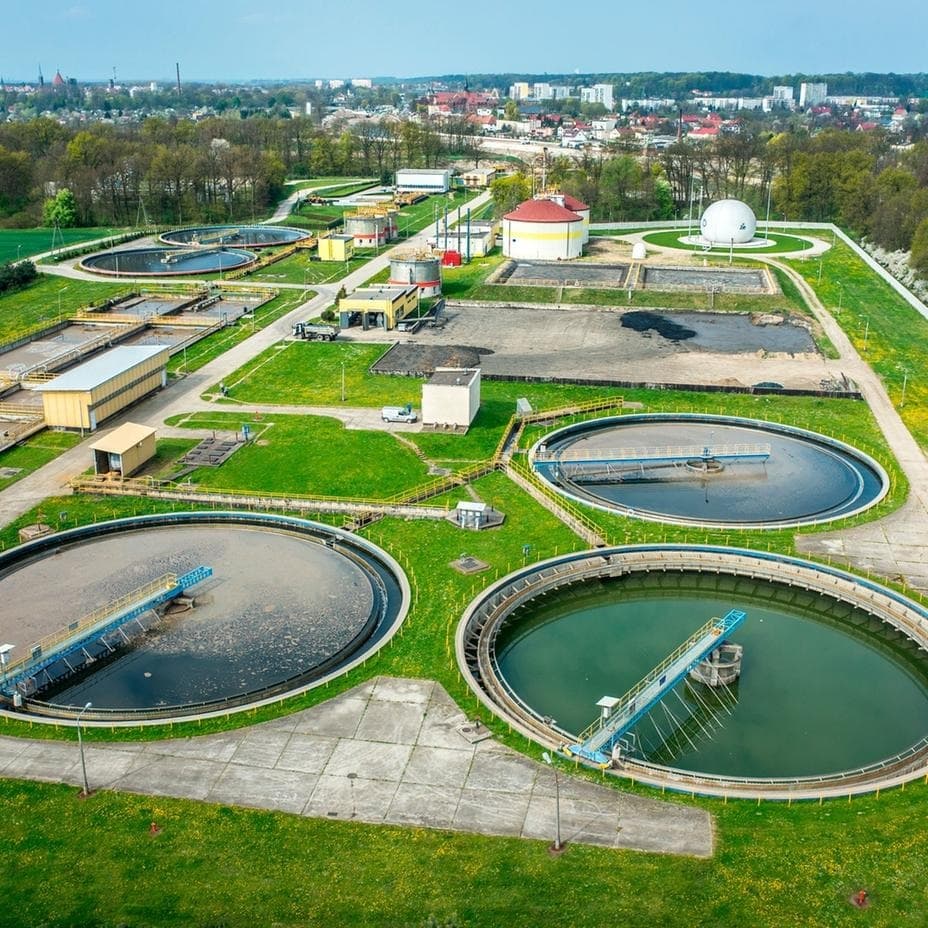
STPs are used in residential societies, apartments, villas, commercial complexes, malls, schools, colleges, universities, hospitals, hotels, resorts, worker colonies, industrial townships, IT parks, railway facilities, municipal bodies and government infrastructure projects. Terraquaer also supports packaged STPs for compact sites and civil-based STPs for larger campuses and long-term infrastructure projects.
How Does an STP Work?
A typical Sewage Treatment Plant treats wastewater in stages. Screening removes floating and coarse material. Equalization balances flow variation and load. Biological treatment uses microorganisms to reduce organic matter measured as BOD and COD. Aeration supplies oxygen for microbial activity. Clarification separates biological sludge from treated water. Sludge handling manages excess biomass. Tertiary filtration polishes the water, and disinfection reduces microbial risk before reuse or discharge.
STP Technology Options
Terraquaer can configure STPs using MBBR, MBR, SBR, ASP, packaged STP or civil-based STP approaches depending on flow rate, land availability, treated water quality requirement, automation need, operator availability, sludge handling plan and lifecycle cost. MBBR uses biofilm media for compact biological treatment. MBR combines biological treatment with membrane separation for higher quality treated water. SBR treats sewage in batch cycles. ASP is a conventional activated sludge process suitable for larger civil systems. Packaged STPs are factory-built modular systems for compact installations, while civil-based STPs are built on site for larger capacities or custom layouts.
Technical Overview and Design Considerations
STP design depends on sewage flow, peak factor, population load, BOD, COD, TSS, pH, oil and grease where applicable, inlet variation, biological loading, hydraulic loading, odor control requirement, treated water reuse objective, discharge norms, site condition and client-specific operation requirements. Terraquaer does not assume final design values without reviewing project data, expected occupancy, usage pattern and outlet requirements.
Major Components and Scope Elements
A complete STP may include inlet chamber, bar screen, collection tank, equalization tank, transfer pumps, aeration tank, MBBR media or biological reactor, blowers, diffusers, clarifier, sludge holding tank, sludge dewatering arrangement, filter feed pumps, pressure sand filter, activated carbon filter, UV or chlorination system, treated water tank, electrical panel, instruments, PLC/SCADA automation, piping and valves.
Treated Water Reuse and Compliance
Treated STP water can often be reused for flushing, gardening, landscaping, road washing, cooling tower make-up or other approved non-potable uses, subject to required treatment quality and applicable norms. Reuse planning must consider TSS, BOD, COD, pH, odor, disinfection, storage quality and user safety. Terraquaer helps clients align STP performance with statutory compliance and practical reuse objectives.
Terraquaer’s Engineering and EPC / EPCC Scope
Terraquaer supports STP projects through concept development, capacity assessment, process selection, detailed engineering, equipment selection, procurement, fabrication coordination, supply, installation, commissioning, automation, operator training, troubleshooting, revamping, operation and maintenance, and lifecycle support. The focus is on practical engineering, stable performance, long-term maintainability and ease of operation.
Operation and Maintenance Requirements
STP operation requires routine monitoring of flow, pH, BOD, COD, TSS, dissolved oxygen, sludge level, odor, blower performance, pump operation, filter backwash, disinfection system and treated water quality. Regular O&M helps prevent odor, sludge carryover, biological upset, filter choking and compliance variation. Terraquaer provides O&M support and troubleshooting for new and existing STPs.
Common Challenges and Terraquaer’s Solutions
Common STP challenges include low or fluctuating occupancy, peak flow variation, odor, poor aeration, high TSS in treated water, sludge bulking, hydraulic short-circuiting, operator gaps, poor disinfection, old equipment and inadequate maintenance. Terraquaer addresses these issues through process audit, hydraulic correction, blower and diffuser review, media or membrane assessment, automation improvement, sludge management planning, revamping and O&M support.
Terraquaer Legacy and Capability Statement
Terraquaer Venture Pvt. Ltd. supports clients with practical, reliable and maintainable water and wastewater treatment solutions. Terraquaer’s strength lies in understanding actual site conditions, wastewater characteristics, client objectives, compliance requirements, lifecycle cost and long-term operation challenges before recommending a treatment system. As an EPC / EPCC environmental engineering company, Terraquaer helps clients from concept development to commissioning and long-term operation support.
Buyer Decision Guide
Before selecting an STP, clients should review sewage generation, occupancy pattern, peak flow, available space, reuse target, outlet norms, power availability, operator capability, sludge disposal method, odor control requirement, automation level and lifecycle O&M cost. Terraquaer helps compare technology options and select an STP configuration suitable for real operating conditions.
Final Call to Action
Contact Terraquaer Venture Pvt. Ltd. for STP design, technology selection, turnkey supply, installation, commissioning, automation, troubleshooting, revamping or O&M support for residential, commercial, institutional, hospitality, healthcare, township or municipal sewage treatment requirements in Ahmedabad, Gujarat and across India.
Key features
- Technology options include MBBR, MBR, SBR, ASP, packaged STP and civil-based STP systems
- Covers screening, equalization, biological treatment, aeration, clarification, sludge handling, tertiary filtration, disinfection and treated water reuse
- Designed around BOD, COD, TSS, pH, flow variation, odor control, sludge generation and reuse requirements
- Suitable for residential, commercial, institutional, hospitality, healthcare, industrial township and municipal applications
- Automation-ready operation for pumps, blowers, levels, dosing, disinfection and monitoring
- Supports new STPs, STP troubleshooting, revamping, capacity upgrades and O&M
Key outcomes
- Reliable domestic sewage treatment for statutory compliance and safe reuse or discharge
- Reduced BOD, COD, TSS, odor and untreated sewage handling risk
- Treated water reuse potential for flushing, gardening, cooling tower make-up or other approved non-potable uses
- Maintainable plant design with practical access, operator safety and lifecycle support
- Single EPC / EPCC partner support from concept design to commissioning and long-term O&M
Standards & certifications
Final STP design and treated water quality targets are aligned with applicable CPCB/SPCB/GPCB norms, local authority requirements, consent conditions, reuse objectives and client-specific site conditions. Final design depends on flow, BOD, COD, TSS, pH, peak load, population, reuse objective and maintainability needs.
Who it's for
Residential societies, commercial buildings, institutions, industrial townships, hotels, hospitals, resorts, municipalities, developers, consultants, plant owners and purchase teams requiring reliable domestic sewage treatment and treated water reuse.
Gallery
Looking for something specific?
Tell us what you need to spec.
Share your capacity, compliance milestone, and timeline. An engineer responds within one business day.